Understanding Bounce Castles: The Basics
When planning a fun-filled event for children, few things can compare to the excitement of a bounce castle. These inflatable play structures, also known as bouncy castles, have become a staple at birthday parties, community events, and family gatherings. They provide kids with a safe environment to jump, play, and engage in physical activity, which is crucial for their development. Understanding the fundamentals of bounce castles, including their types, safety standards, and overall benefits, is essential for anyone considering renting or purchasing one. For more information about various bounce castle options, keep reading to enhance your knowledge.
What is a Bounce Castle?
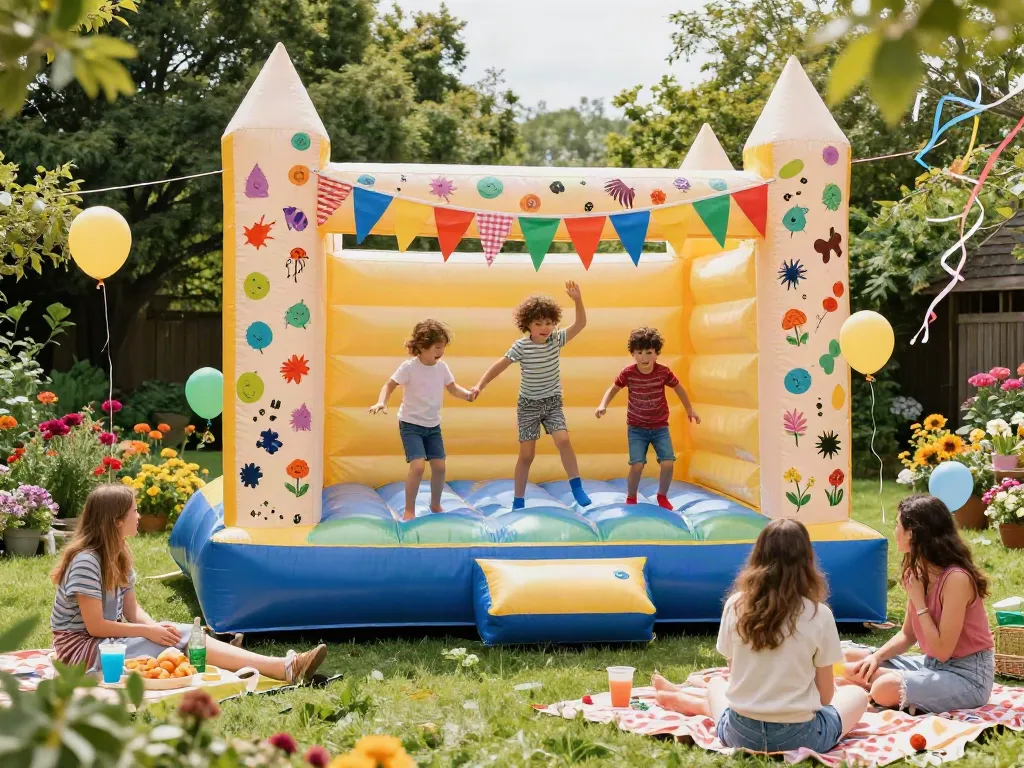
A bounce castle is an inflatable structure designed primarily for recreational use, allowing children to jump and bounce safely. Crafted from durable materials, these inflatable attractions are typically designed in a variety of shapes and themes, often resembling castles, houses, or other fun structures. They inflate quickly and can accommodate multiple children at once, making them perfect for social events.
Types of Bounce Castles Available
There are several types of bounce castles available on the market today, each tailored to meet different needs and preferences. Here are the main categories:
- Traditional Bounce Castles: These are the classic designs featuring simple walls and an open bouncing area.
- Combo Bounce Houses: These include additional features such as slides and climbing walls, offering a more varied play experience.
- Themed Bounce Castles: These are designed with popular characters or motifs, appealing to children's interests.
- Commercial Bounce Houses: Built for durability, these are perfect for rental businesses and can withstand more rigorous use.
- Toddler Bounce Houses: Specifically designed for younger children, these often have lower walls and softer surfaces for safety.
The Importance of Safety Standards
Ensuring the safety of children while using bounce castles is a top priority for manufacturers and event organizers. Bounce castles must meet specific safety standards, which include:
- Material Quality: High-quality, fire-retardant materials should be a standard for all inflatable structures.
- Weight Restrictions: Clear guidelines about the maximum number of children and their weight limit should be provided.
- Regular Inspections: Owners should conduct frequent checks for wear and tear, ensuring that the bounce castle remains safe for use.
Choosing the Right Bounce Castle for Your Event
Choosing the perfect bounce castle for your event can significantly enhance the entertainment factor. Here are key considerations to keep in mind.
Factors to Consider When Selecting a Bounce Castle
When evaluating bounce castles, consider the following factors:
- Space Availability: Ensure you have enough space both for the bounce castle and a safe buffer zone around it.
- Theme and Design: Select a design that aligns with the event's theme for added excitement.
- Age Appropriateness: Choose structures suitable for the age group attending the event.
Rental vs. Purchase: Making the Right Decision
Deciding whether to rent or purchase a bounce castle can depend on several factors:
- Frequency of Use: If you host events frequently, purchasing may be more cost-effective in the long run.
- Budgetary Constraints: Rentals can be a more affordable option for one-time events.
- Storage Space: Consider if you have the space to store a bounce castle if you choose to purchase one.
Size and Capacity Considerations
Understanding the size and capacity of the bounce castle is crucial. Make sure to:
- Check the dimensions of the bounce castle against your available space.
- Consider the maximum number of children allowed within the castle to prevent overcrowding.
Setting Up Your Bounce Castle Safely
Setting up a bounce castle involves several important steps to ensure safety and functionality. Here’s how to do it right.
Preparing the Installation Area
Before inflating the bounce castle, prepare the installation area by:
- Clearing debris, sharp objects, and any hazards from the site.
- Choosing a flat surface, preferably grass, which provides additional cushioning.
Inflation and Setup Tips for Safety
When inflating your bounce castle:
- Follow the manufacturer’s instructions for proper inflation.
- Ensure the blower is securely attached and functioning before use.
- Check for any leaks or damage prior to allowing children to play inside.
Weather Considerations for Outdoor Use
Weather can impact the safety of bounce castles significantly. Always:
- Monitor weather forecasts for high winds, rain, or extreme temperatures.
- Deflate the bounce castle if severe weather is predicted, as winds can pose a tipping hazard.
Maintaining Your Bounce Castle for Longevity
To ensure your bounce castle lasts as long as possible, proper maintenance is key. Here are guidelines to follow.
Cleaning and Care Guidelines
Regular cleaning is essential to maintain hygiene:
- Use mild soap and water to clean the surface after each use.
- Allow it to dry completely before deflating and storing.
Inspection Tips Before Each Use
Before every use, inspect the bounce castle for the following:
- Check for any rips, tears, or worn areas.
- Ensure that the anchor points and safety features are intact.
Storing Your Bounce Castle Properly
When not in use, store your bounce castle in a cool, dry place to prevent damage. Follow these steps:
- Make sure it is clean and dry before folding it for storage.
- Store it in a protective bag to keep it safe from pests and moisture.
Addressing Common Bounce Castle Problems
Even with proper maintenance, issues can arise. Here’s how to address common bounce castle problems.
Deflation and Leakage Issues
If your bounce castle starts to deflate unexpectedly, check for:
- Punctures or tears near seams.
- Leaks in the blower or anchoring system.
Managing User Safety Concerns
To address safety while using the bounce castle:
- Set clear rules regarding the number of users and age restrictions.
- Supervise children while they play to ensure they follow safety guidelines.
Repairing Damage and Wear
For minor damages, consider:
- Using repair kits available from manufacturers for small tears.
- Consulting professionals for larger repairs that could compromise safety.
What to Do if It Rains?
If rain is in the forecast, it’s crucial to:
- Deflate the bounce castle immediately.
- Wait for the area to dry completely before setting it up again.
Can adults use bounce castles?
While some bounce castles can accommodate adults, it's advisable to check the manufacturer’s guidelines. Generally, adult usage should be limited to ensure safety and prevent accidents.
What is the best way to clean a bounce castle?
The best way to clean a bounce castle involves using a soft cloth or sponge with mild soap and water. Avoid harsh chemicals that can damage the material.
How can I ensure my children are safe in a bounce castle?
To ensure safety, supervise children at all times, establish rules for play, and regularly inspect the structure for safety compliance.
Are there age restrictions for bounce castle use?
Age restrictions typically depend on the design of the bounce castle. It’s recommended to adhere to manufacturer guidelines, which often suggest minimum age limits for safe play.
How much space do I need for a bounce castle?
Allocate sufficient space which typically includes the dimensions of the bounce castle plus an additional 5-10 feet around it for safety. Consider local regulations or guidelines as needed.