Understanding the Slate Capivex Concept
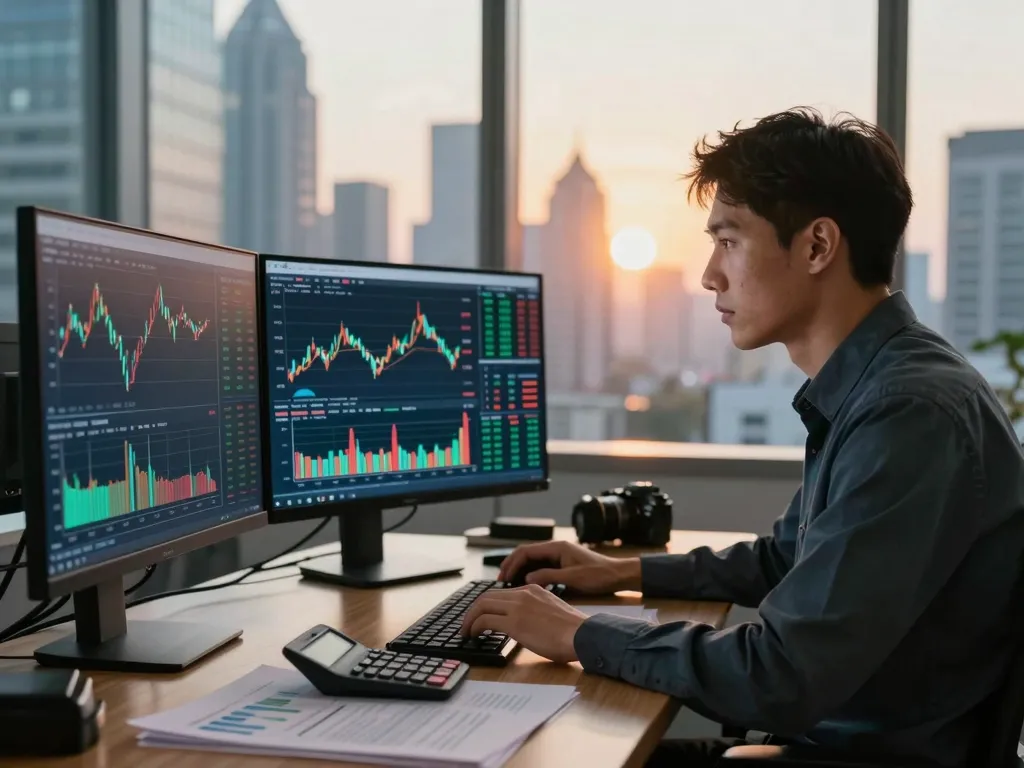
In a rapidly evolving trading landscape, Slate Capivex is emerging as a significant player. This innovative platform effectively fuses artificial intelligence, automation, and data analysis, making it a focal point in trading discussions, particularly among Canadian investors. Understanding what slatecapivex.ca entails can provide traders with the tools they need to navigate the complexities of modern markets.
What is slatecapivex.ca and Its Role in Trading?
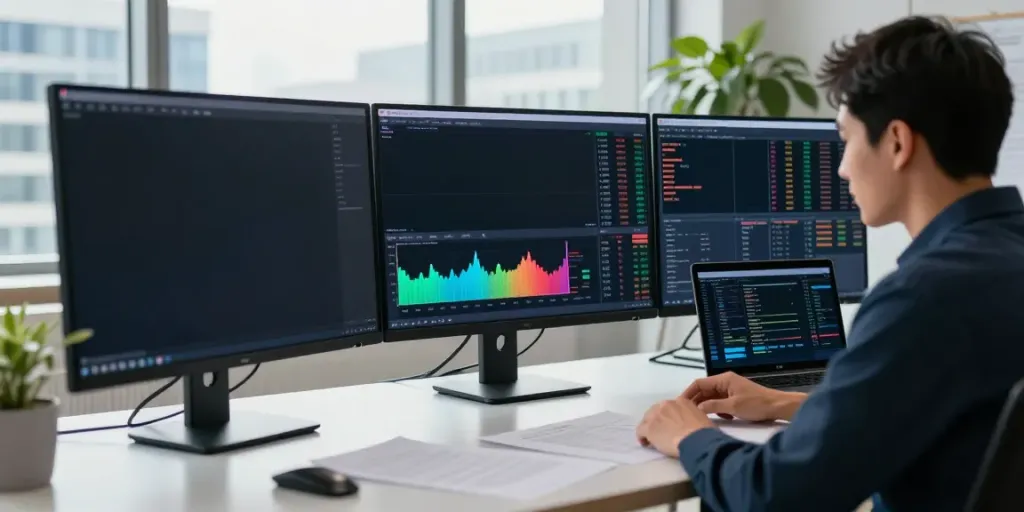
Slate Capivex is a trading platform that caters specifically to the needs of Canadian traders. It aims to streamline the trading process, leveraging advanced technologies to enhance efficiency. The integration of AI and automated systems allows for swift data analysis and trading execution, which are essential in today's fast-paced financial environment.
Key Features of the Slate Capivex Platform
- AI-Powered Analytics: The platform utilizes algorithms that can analyze vast amounts of market data in real-time to identify trends and trading opportunities.
- Automated Trading: Traders can set predefined parameters that the system will use to execute trades automatically, reducing the need for constant monitoring.
- User-Friendly Interface: Designed to be intuitive, even for less experienced traders, the platform simplifies complex trading processes.
- Market Insights: Slate Capivex provides comprehensive market analysis, helping users make informed decisions based on up-to-date information.
The Importance of AI in Modern Trading
The role of artificial intelligence in trading cannot be overstated. AI systems are capable of processing data far beyond human capabilities, allowing traders to make quicker and more informed decisions. These systems can consume market signals, such as price movements and trading volumes, and provide insights that might not be readily apparent to human analysts.
Regulatory Landscape for Canadian Traders
As the trading environment becomes more technological, understanding the regulatory landscape is crucial for Canadian traders. Platforms like Slate Capivex must adhere to specific regulations to protect investors and ensure fair trading practices. Familiarizing oneself with these regulations helps traders navigate potential pitfalls in their investment journeys.
Understanding Financial Regulations Affecting slatecapivex.ca Users
In Canada, regulatory bodies like the Canadian Securities Administrators (CSA) oversee trading platforms. These regulations ensure that platforms like Slate Capivex operate transparently and protect investor rights. This includes rigorous verification processes to confirm that trading entities comply with all legal requirements.
How to Verify a Trading Platform’s Authenticity
Verifying a trading platform’s authenticity is crucial. Canadian traders should check if the platform is registered with a recognized regulatory body, such as the Autorité des marchés financiers (AMF) in Quebec. This process often involves visiting the regulator's website and searching for the platform's name to confirm its legitimacy.
Common Regulatory Challenges for Traders in Canada
Regulatory challenges can vary significantly. Traders may encounter issues related to platform transparency, withdrawal terms, and the overall security of their funds. It's essential to review the regulations that specifically apply to the province where the trader resides and ensure that the chosen platform meets all necessary compliance requirements.
Automation in Trading: Benefits and Limitations
Automation in trading is a double-edged sword. While it presents numerous benefits, it also comes with its own set of limitations that traders must consider to use platforms like Slate Capivex effectively.
The Role of AI in Market Analysis
AI plays a pivotal role in market analysis by enabling traders to spot patterns and trends in vast datasets. The ability of AI to process information quickly helps traders make informed decisions based on empirical evidence rather than instinct or emotion.
Understanding Automated Trading Strategies
Automated trading strategies can vary widely. Traders can choose from different types of algorithms, each designed for specific trading styles or market conditions. This variety allows traders to tailor their approaches to fit their risk tolerance and investment goals.
Limitations of AI in Stock Prediction
Despite its advantages, AI also has limitations, particularly regarding stock prediction. While AI can analyze past trends, it cannot predict unexpected market movements caused by external factors such as economic changes or geopolitical events. Thus, traders should treat AI insights as part of a broader strategy rather than as definitive answers.
Evaluating the Effectiveness of Trading Technologies
Assessing the effectiveness of any trading technology, including platforms like Slate Capivex, involves a critical analysis of performance metrics, user feedback, and overall market reputation.
How to Assess Performance Metrics of slatecapivex.ca
Performance metrics can include success rates, average returns, and user satisfaction ratings. Evaluating these metrics allows traders to gauge the platform's reliability and effectiveness, helping them to make informed decisions about their investments.
Using Data Analytics for Smarter Trading
Data analytics provides invaluable insights into market trends. Traders can utilize advanced data analytics tools to analyze market behavior, optimize trading strategies, and enhance their overall trading performance.
Case Studies: Successful AI Trading Implementations
Examining successful case studies of AI trading systems can offer practical insights into best practices and potential pitfalls. These examples provide real-world applications of AI in trading and showcase how different strategies can lead to success.
The Future of AI in Investment Strategies
As technology continues to evolve, so too will the role of AI in trading. The future promises to bring more sophisticated trading methodologies, driven by advances in machine learning and data analysis.
Developments in Quantum Computing and Trading
Quantum computing represents a significant frontier for trading technology. By leveraging the principles of quantum mechanics, these systems could provide unparalleled processing power, enabling traders to analyze markets at speeds previously thought impossible. This could revolutionize the way trading algorithms operate.
Trends to Watch for in 2026
As we look towards 2026, several trends are emerging in the trading landscape. These include the increased use of AI for risk management, enhanced data analytics tools, and more robust regulations designed to protect traders in an increasingly complex financial environment.
Preparing for the Next Wave of Trading Technology
Traders should prepare for ongoing advancements in trading technology by staying informed about new tools and platforms. Engaging with continuous education and networking within trading communities can help investors adapt to rapid changes.
What Should Traders Anticipate?
Moving forward, traders should anticipate a greater reliance on technology for trading decisions. This shift will likely necessitate a blending of traditional trading knowledge with advanced technological skills to navigate the complexities of modern investment strategies.