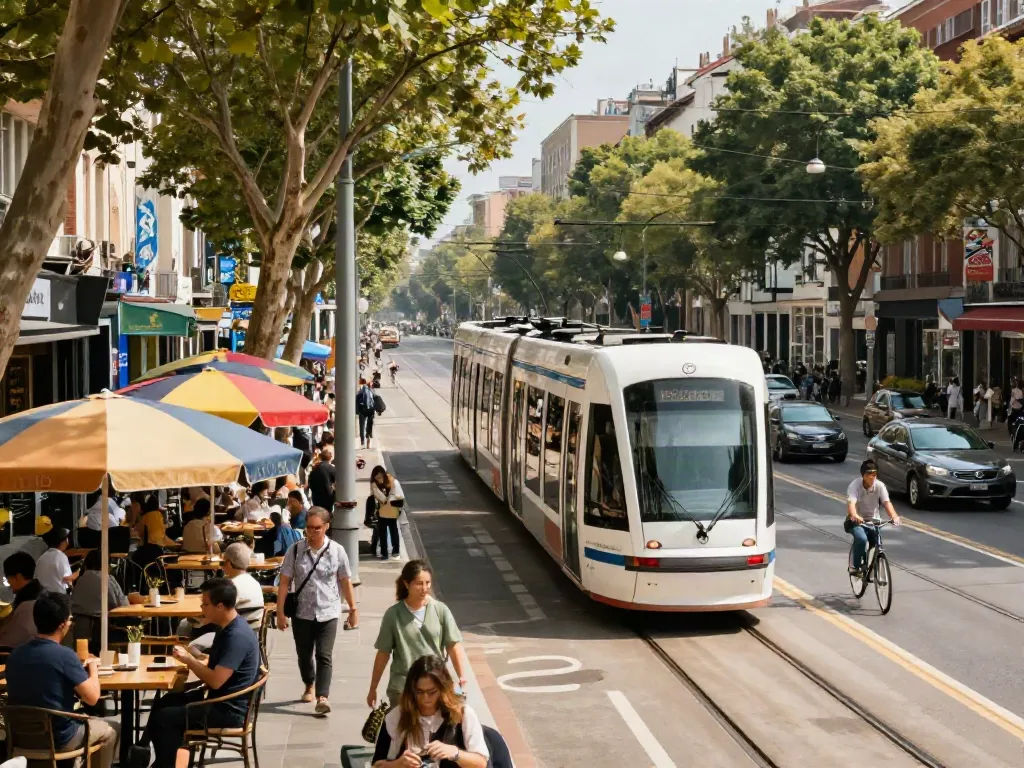
The Future of Urban Transportation at streek.ca
Urban transportation systems are undergoing a significant transformation, driven by the urgent need for sustainable, efficient, and accessible solutions. As cities grapple with increasing populations and the consequent demand for effective transit options, platforms like streek.ca emerge as vital resources for understanding and implementing innovative transit strategies. This article explores the evolving landscape of urban transportation, focusing on electric streetcars, key technological innovations, and the environmental benefits that come with sustainable transport options.
Understanding the Role of Electric Streetcars
Electric streetcars represent a crucial element in contemporary urban transit. Unlike traditional diesel buses, electric streetcars operate on dedicated tracks and draw power from overhead lines, which significantly reduces greenhouse gas emissions. Their capacity to accommodate large volumes of passengers makes them an ideal choice for densely populated urban areas.
Recent advancements in streetcar technology have increased their efficiency and reliability. For instance, many modern streetcars are equipped with regenerative braking systems that recover energy during braking, thereby lowering overall energy consumption. Furthermore, the quiet operation of electric streetcars contributes to reduced noise pollution in urban environments, improving the quality of life for city residents.
Key Innovations in Transit Technology
The integration of cutting-edge technology into urban transit systems is critical for enhancing operational efficiency and user experience. Innovations such as real-time tracking apps provide commuters with immediate information regarding arrival times and service interruptions, making the transit process more transparent and user-friendly.
Additionally, the implementation of advanced data analytics allows transit agencies to optimize routes and schedules based on user demand and traffic patterns. This data-driven approach enables agencies to respond dynamically to the needs of the community, ensuring a transit system that is both responsive and efficient.
Environmental Benefits of Sustainable Transport
Sustainable transport solutions, such as electric streetcars, contribute significantly to reducing urban air pollution and carbon emissions. By transitioning from fossil fuel-dependent modes of transit to electrified systems, cities can drastically lower their environmental footprint.
In addition to reduced emissions, sustainable transport initiatives often lead to increased greenery and improved urban landscapes. Cities that invest in eco-friendly transit options can repurpose former transportation corridors into parks and bike paths, enhancing urban biodiversity and providing residents with additional recreational spaces.
User Experiences and Community Impact
The success of urban transit systems hinges not just on infrastructure but also on user experience and community engagement. Understanding commuter needs is vital for fostering a reliable and efficient transit system that serves all community members.
Enhancing Commuter Convenience
To improve commuter convenience, transit systems must focus on seamless connectivity between various modes of transport. Integrated ticketing systems that allow users to transfer between buses, trains, and streetcars without purchasing multiple tickets is a step towards creating a more user-friendly experience. Moreover, providing amenities such as Wi-Fi at stations and on vehicles can significantly enhance the overall travel experience.
Public Feedback and Engagement Strategies
Public feedback is essential in shaping the future of urban transportation. Engaging with the community through surveys, public forums, and social media platforms allows transit agencies to gather valuable insights into commuter preferences and concerns. This inclusive approach not only builds trust but also encourages community ownership of the transit system, leading to higher usage rates.
Case Studies from Successful Cities
Examining successful transit systems around the globe offers valuable lessons for urban planners. For instance, cities like Portland and Amsterdam have effectively integrated streetcars into their urban mobility networks, leading to higher public transport ridership and lower vehicular congestion. Their investment in public engagement and sustainable practices can serve as a model for cities seeking to develop or enhance their own transit systems.
Challenges Facing Urban Transit in 2026
Despite the advancements in urban transportation, several challenges remain. Addressing these obstacles is crucial for fostering resilient and efficient transit systems in the years to come.
Infrastructure Development Needs
Many urban areas face significant challenges related to aging infrastructure. Modernizing transit systems requires substantial investment in infrastructure development, including tracks, stations, and vehicles. This necessity often competes with other city priorities, making funding a contentious issue.
Funding and Budgeting Solutions
Finding sustainable funding sources is critical for the future of urban transportation. Public-private partnerships, grants, and innovative financing mechanisms can help cities secure the necessary funds for transit projects. Additionally, cities should explore the potential of congestion pricing and other user-based fees that directly link funding to system usage.
Addressing Public Safety and Accessibility
Public safety and accessibility remain paramount in urban transit planning. Ensuring that transit systems are safe, particularly during late hours, requires strategic measures such as improved lighting at stations and surveillance systems. Accessibility must also be a focal point, ensuring that all community members, including those with disabilities, have equitable access to transit options.
Best Practices for Sustainable Transit
To truly reap the benefits of sustainable urban transport, certain best practices should be adopted consistently across various transit systems.
Integration with Other Transportation Systems
Successful transit systems seamlessly integrate with other forms of transportation, such as cycling, walking, and ride-sharing services. By providing multi-modal options, cities can encourage residents to opt for public transit over personal vehicles, reducing congestion and emissions.
Community Involvement in Transit Planning
Involving the community in the transit planning process is essential for crafting solutions that are responsive to local needs. Collaborative workshops and planning sessions enable residents to voice their concerns and suggest improvements, fostering a sense of ownership over the transit system.
Measuring Success: Metrics and KPIs for Transit Projects
Establishing clear metrics and Key Performance Indicators (KPIs) allows transit agencies to measure the efficacy of their projects. Metrics should include ridership numbers, on-time performance rates, user satisfaction scores, and environmental impact assessments. Regular evaluation based on these indicators can help identify improvement areas and guide future initiatives.
Future Trends and Predictions
The urban transportation landscape is ever-evolving, shaped by technological advancements and changing societal needs. Understanding these trends is essential for any stakeholder in the transit arena.
Technology Advancements in Urban Transit
The incorporation of smart technologies, such as artificial intelligence and blockchain, is set to revolutionize urban transportation. AI can be utilized for predictive analytics to optimize transit operations, while blockchain technology may provide secure and transparent methods for managing transit payments.
Government Policies Supporting Sustainable Transport
Government policies play a crucial role in promoting sustainable urban transport. Incentives for electric vehicle adoption, emissions reduction targets, and investment in green technologies can spur innovation in the transit sector. Policymakers must prioritize long-term sustainable development goals to ensure that transport systems evolve in harmony with environmental needs.
Next-Generation Public Transit Models to Watch
Innovative transit models, such as autonomous vehicles and on-demand shuttle services, represent the future of urban mobility. These systems promise to offer greater flexibility and efficiency, addressing the “last mile” dilemma that often hampers public transport usage.
How will urban transit evolve in the coming years?
As we look to the future, urban transit will increasingly prioritize sustainability, efficiency, and user experience. Collaboration between government, private sector, and communities will be vital to achieve these goals.
What are the best practices for integrating new transit systems?
Best practices involve ensuring seamless connectivity, engaging the community in planning processes, and adopting innovative technologies that optimize service delivery.
How can communities engage in transit planning?
Communities can engage through public forums, feedback sessions, and participatory planning workshops that welcome input on transit initiatives.
What are the environmental impacts of modern transit solutions?
Modern transit solutions, particularly those focused on electrification and sustainability, help reduce greenhouse gas emissions and urban pollution while promoting a healthier living environment.
What trends should we expect in transit technology?
Expect advancements in automation, smart technology integration, and enhanced data analytics that will make public transport more responsive and efficient.